A Day Inside Kiewit Procurement
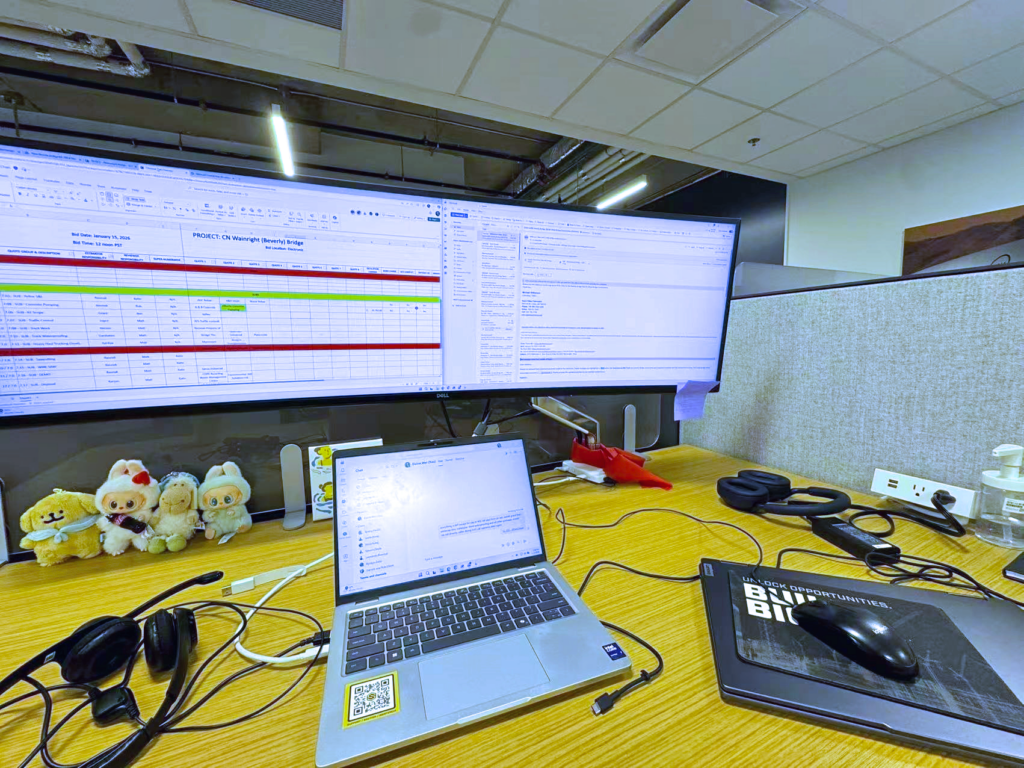
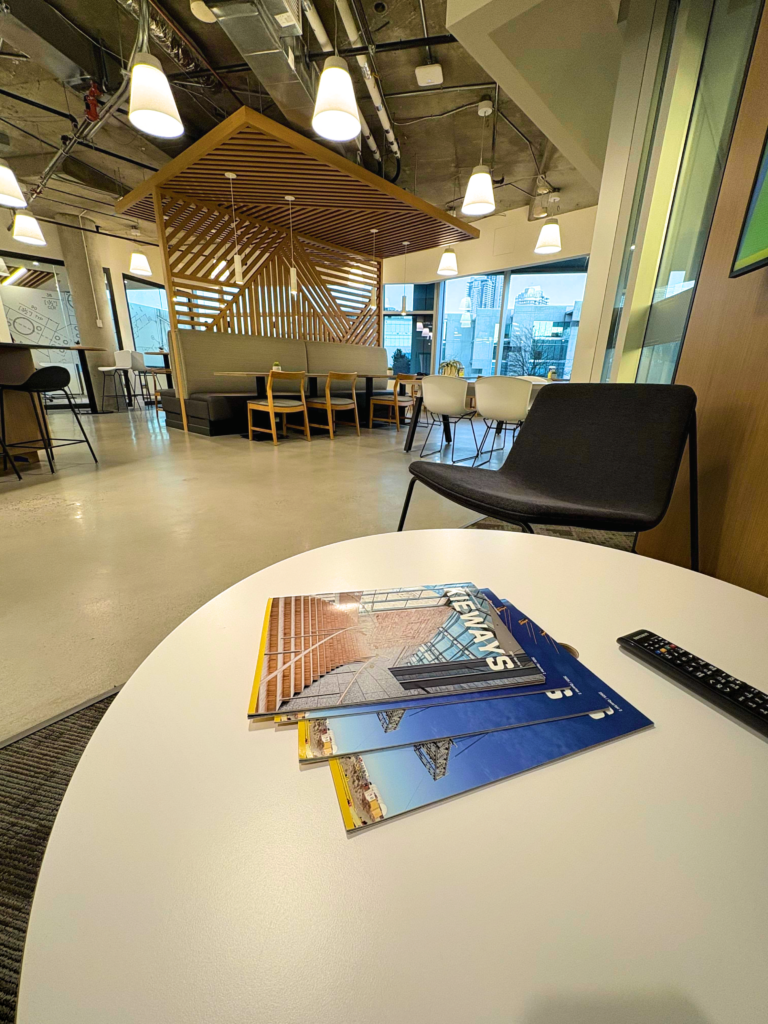
At 8:00 a.m., the work day officially begins at the Kiewit District Office on Still Creek Drive in Burnaby. While the construction sites they support have been active since dawn, the procurement team arrives now to tackle the logistical side of the operation. For these professionals, the morning starts by catching up with the field crews who have been moving dirt for hours. From this office, they manage the flow of millions of dollars in materials, ensuring that steel, concrete, and timber reach the sites exactly when needed to keep the province’s infrastructure projects on schedule.
The Invisible Engine
To the outside observer, a construction site looks like a chaotic dance of trucks and workers. However, behind every poured foundation and erected beam lies a complex web of logistics. Procurement is often mistaken for simple purchasing, but in the context of major infrastructure, it is the project’s central nervous system.
According to the Kiewit Corporation, modern transportation projects require a synchronization of materials that rivals military operations. A procurement agent does not just buy materials; they forecast volatility. They analyze engineering drawings months in advance to predict shortages, negotiate contracts with vendors across different time zones, and navigate the increasingly complex logistics of international shipping.
Risk Management in Real-Time
The stakes in this profession are incredibly high. In construction, time is quite literally money. If a shipment of rebar is delayed by four hours, a crew of fifty workers might stand idle, costing the project thousands of dollars and pushing back timelines that have been set in stone for years.
“People think procurement is just shopping, but it is actually high-stakes risk management,” says Elaine W, a Supply Chain Specialist who has managed supply chains for various construction projects across British Columbia. “If I do my job perfectly, nobody notices I exist. But if I miss one detail on a shipping manifest, the whole site stops. It’s a chess game played with concrete and steel.”
Bridging Two Worlds
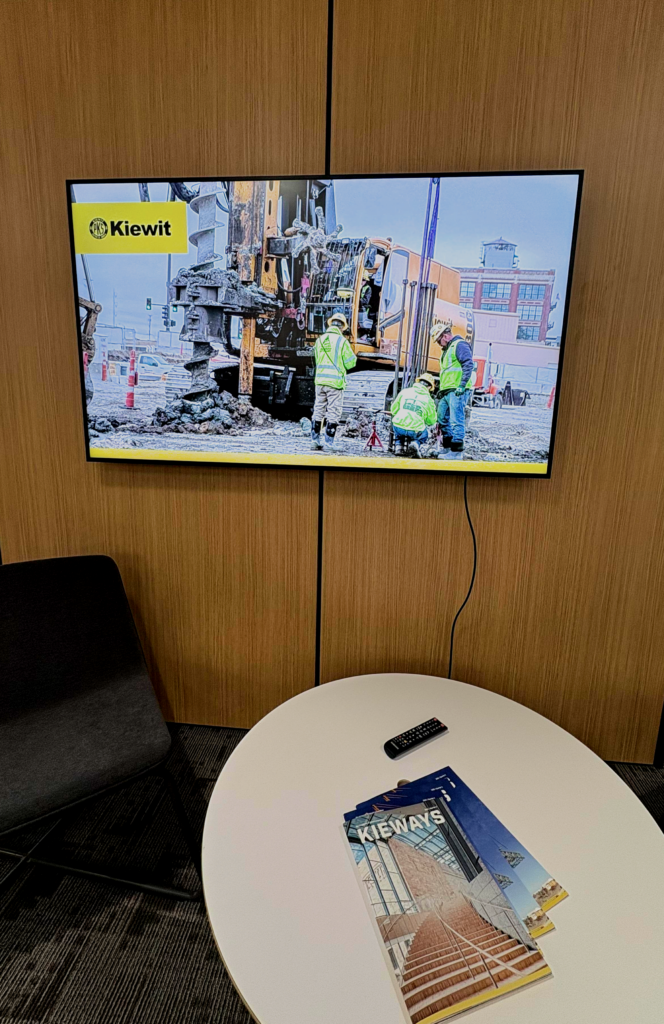
A unique aspect of the “Day in the Life” of these professionals is the contrast between their office environment and the job sites they support. One hour, they are in a Burnaby boardroom negotiating a multi-million dollar contract with an international steel supplier, utilizing high-level corporate soft skills. The next hour, they are driving out to a muddy project site in the Lower Mainland—donning a hard hat, high-visibility vest, and steel-toed boots—to verify inventory with a superintendent.
This ability to bridge the corporate and the physical worlds is what defines the role. It allows the procurement team to see how digital orders translate into physical progress and fosters trust between the “office” and the “field.”
The Future of Supply Chains
As the day winds down and the site crews head home, the procurement team is often still working, planning for the next day, the next week, and the next month. With global supply chains becoming more volatile due to economic shifts and climate impact, the role of the procurement professional has never been more essential.
They are the gatekeepers of the project’s budget and schedule. While the engineers design the structure and the laborers build it, it is the procurement team that ensures the project is actually buildable. As the infrastructure grows, so does the reliance on these logistical experts, ensuring that the invisible engine keeps running smoothly.